Eating very well on vacation in Los Cabos. By Lauren Glenn. Los Cabos Magazine Issue #19 Winter 2009.
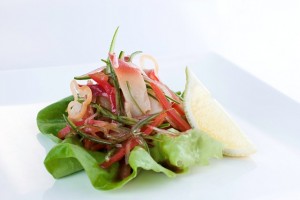 “Los Cabos´ restaurants served produce from organic farms even before organic food production and consumption became a growing phenomenon now practiced throughout the rest of the world. Organic items are currently available in the area’s quality grocery stores and restaurants. ”
Cabo understands the desire of locals and tourists alike wanting to indulge in the “seductive cuisine of Cabo” without paying the price in excess calories and health concerns. It is now easier than ever to experience healthy delicious dining, as many restaurants begin to incorporate organic foods into their menus. This healthy make over provides everyone with the opportunity to enjoy a healthier taste of Cabo, without sacrificing the “guilty pleasures” associated with Baja cuisine.
Family-run farms, several right here in the Los Cabos region, have been producing organic foods for decades. Los Cabos’ restaurants served produce from these farms even before organic food production and consumption became a growing phenomenon now practiced throughout the rest of the world. At Don Emiliano Restaurant in San José del Cabo, their moveable menu features seasonal products from local organic fruit and vegetable farms, and Mexican free-range organic beef and chicken farms. When asked about the difference in using organic verses non-organic, Chef Angel Salinas responded that he finds “more intense flavor from vegetables, especially leafy greens and heirloom tomatoes. Meats tend to be more flavorful and natural tasting, too.”
Organic farms for years were few and far between, most were fairly small and hard to come by. Ardent consumers would have to go from farmer to farmer in search of non-chemically treated foods. Originally, farmers assumed the responsibility for ensuring their production was completely organic. However, sans proper monitoring and certification, it was possible that some farmers would freely interpret their own definition of “organic.” It was up to the consumer to inspect the farming conditions or rely on word of mouth. As demands for true organic foods increased, more farms began using certified organic farming practices in order to assure their buyers. To be considered a truly “organic” product, a farm must first go through inspection by an accredited certifier (like the USDA) to see if the farmer follows all the rules necessary to meet its organic standards. Little by little, producers introduced their organic products into small specialty stores and farmers’ markets, and when some supermarkets started selling organic produce, going directly to the farms became less necessary. Farmers deliver their produce, meats and poultry to the stores, and the stores in turn label them “certified organic” after a third party inspection. With its growing popularity, organic foods and products are currently available in quality grocery stores and an increasing number of restaurants here in Los Cabos.
Baja California Sur is home to some of the finest certified organic fruits and vegetables. In 1985, local organic farmers, Larry Jacobs and Sandra Belin, developed the Del Cabo Cooperative. The objective was to “[take] care of people, crops, and the earth so that the cycle could renew year after year.” In light of this mission, The Jacob Farm/Del Cabo provides education and training, aiding the expansion of organic farming throughout Baja. The Organic Trade Association even awarded Jacobs and Belin the 2007 Organic Farming Leadership Award for their contributions to the organic industry. Over 400 farming families today produce organic fruits and vegetables sold both in México and the U.S.
Since the 1990’s, worldwide organic food growth rates spiraled up 20% per year. As of April 2008, production accounts for 1-2% of food sales and is predicted to grow at rapid rates over the next few years. Consumers clearly expect farmers to produce natural, healthy produce and livestock. People want foods rich in antioxidants and taste, without use of harmful farming methods. Organic fruits and vegetables contain up to 40% more antioxidants and are 25% more nutritious than conventionally grown food. Chef/Owner Gerald Blay of The Chef’s Table in San José del Cabo, champions this healthy movement stating, “We only use the finest ingredients, supporting the eco-system with all natural products, certified organic produce, and products not threatened by extinction or chemical enhancements.”
Chef Fabian Cediomo of Olé Olé Tapas Restaurant and Bar in Cabo San Lucas, has been serving organic food for five years. He shops for fresh basil, tomato, carrots, and zucchini at the farmer’s market in Miraflores, a small farming town about an hour’s drive north of Cabo. The results of his efforts are well worth the trip and easy to taste in the unique dishes he prepares at the restaurant.
Let it never be said that organic foods are over-rated. Executive Chef Emanuele Olivero at Sunset da Mona Lisa restaurant in Cabo San Lucas serves his local farm-raised organic chicken with ratatouille-filled organic tomatoes and golden pasta phyllo; grilled lobster tail on a bed of soba noodles with organic baby carrots and spinach; and his grilled blue fin tuna is served on a linguine topped with organic pesto and grilled tomatoes. Olivero says he takes pride in serving the “finest seafood and finest local organic ingredients.” In addition to serving organic foods, keeping with the restaurant’s dedication to the culinary pleasures of all diners, Sunset da Mona Lisa caters to special diet needs including vegetarian, dairy free, and celiac.
ME by Meliá Cabo’s Executive Chef Jamie Macias speaks with full confidence in the freshness and quality of his organic produce. The Deck serves certified organic salads, including the fresh fruit salad, with a colorful medley of papaya, grapes, melon and cashew, tossed with fresh lettuce and a light vinaigrette; grapefruit and orange salad with a unique blend of honey, chili, and sesame; a grilled palm salad with crisp romaine lettuce and citric dressing; and a creative eggplant roll mixed with goat cheese. Macias believes that eating organic is not just a trend. More and more of his customers request healthier menu options that include organic products. To meet this preference, Passion Restaurant now offers a complete organic dinner menu.
Obviously, many health and culinary benefits stem from organic products, but at least for now, prices are higher than non-organically produced foods. Nevertheless, this has not hindered the growth of its popularity. In 2006, worldwide organic food sales increased from $23 billion to $40 billion US dollars. The cost of organic food is a small price to pay when the benefits are so great for people and the eco-system.
For those seeking these healthy organic alternatives for their own kitchens, there are some organic markets here in Los Cabos. The largest is held every Sunday, from 9 am to 3 pm on Centenario Street behind the Tropicana Hotel in San José.
(Editor’s Note: 11 January 2010 – Every Saturday, from 9:00 to 3:00 PM. This season’s market will officially begin on Saturday the 7th of November, 2009 at “La Huerta Maria” (Located directly in front of the Jockey Club / Road to Las Animas) near downtown San Jose Del Cabo. Starting November 7th, 2009.)
You will find some of the most wonderful organic fruits and vegetables, as well as fresh eggs, pure honey, and various other mouth-watering treats. In Cabo San Lucas, look for the organic market at the Pedregal gate on Saturday mornings. Another smaller market is held just in front of the Organic Restaurant in the Europea Plaza at Km 8 along the corridor; this one’s schedule is variable. The restaurant is definitely worth the trip anyway.
Los Cabos dining evolves, adapts, and grows as a premier spot for all dining choices. Demands and desires are met with pleasure and talent. Its reputation as a culinary cornucopia proves itself time and again.